
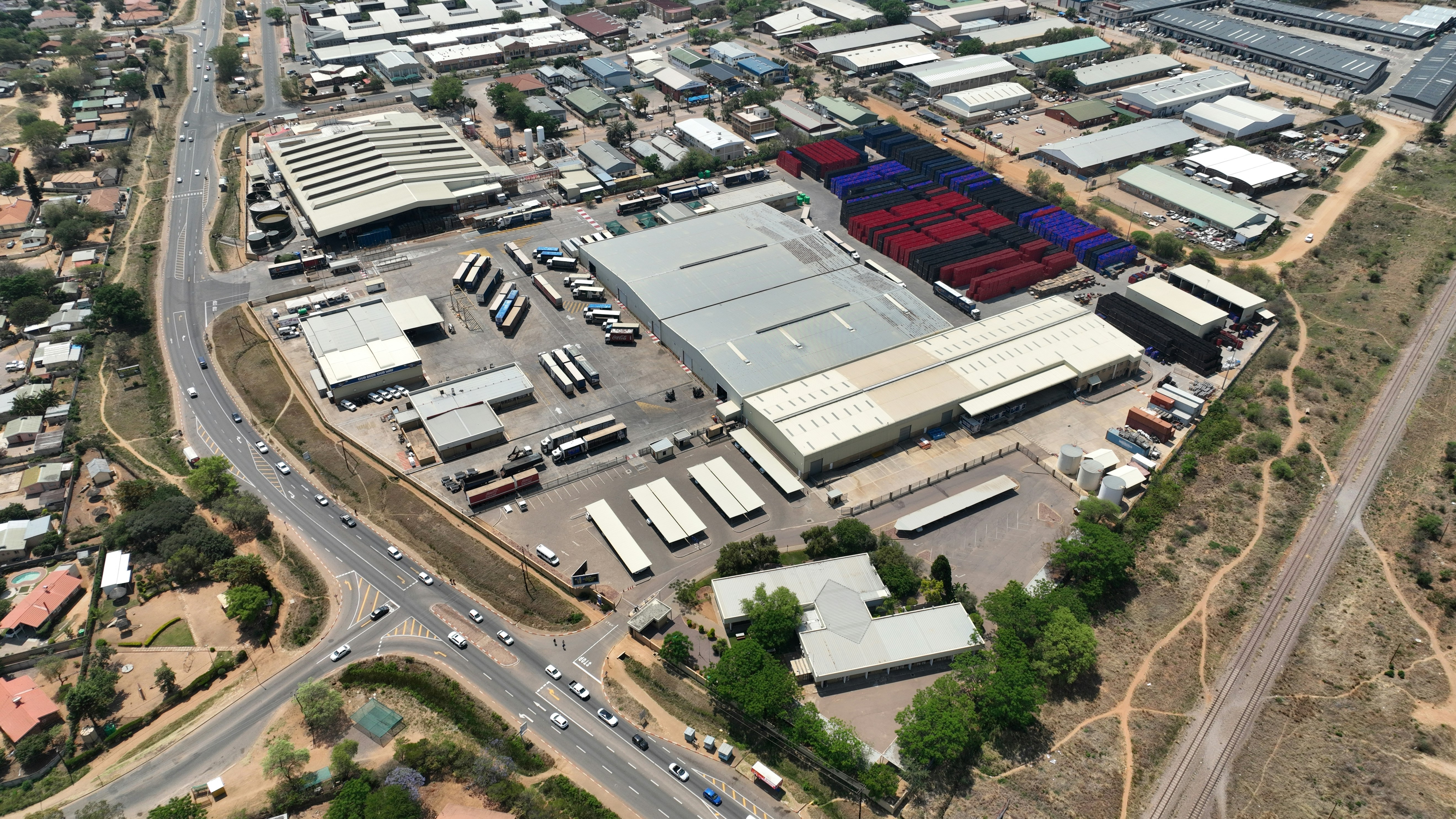
Introduction to Tangier’s Economic Transformation
Tangier, a port city located at the northern tip of Morocco, has undergone a remarkable economic transformation in recent years. Historically, it has been a crossroads of cultures and trade, benefiting from its strategic position at the confluence of the Atlantic Ocean and the Mediterranean Sea. This geographical advantage has enabled Tangier to evolve into a significant player in Morocco’s economy, facilitating trade routes and attracting foreign investment.
The city’s transformation from traditional sectors, such as agriculture and textiles, to modern industries has been noteworthy. In the mid-20th century, Tangier emerged as an international zone, which paved the way for various industrial activities. The establishment of the Tangier Med Port in the 2000s marked a turning point, positioning the city as a logistical hub for maritime trade and commerce. This development significantly increased its attractiveness for manufacturers and distributors looking for efficient access to European and African markets.
Furthermore, the Moroccan government has implemented policies aimed at enhancing Tangier’s industrial capabilities. The creation of special economic zones and free trade agreements has contributed to the city’s appeal as an investment destination. Industries such as automotive, aerospace, and electronics have started to thrive, creating jobs and fostering economic diversity. These sectors have attracted international firms and bolstered local entrepreneurship, leading to an environment ripe for innovation.
In summary, Tangier’s economic transformation reflects not only its historical significance but also its strategic importance in the modern global economy. As the city continues to develop and adapt, it solidifies its status as an emerging industrial hub within Morocco, driving both local and national growth.
The Strategic Importance of Tangier’s Location
Tangier, Morocco, is strategically positioned at the crossroads of Europe and Africa, making it an invaluable asset for international trade and commerce. This geographical advantage stems from its proximity to the European mainland, being just a short 14 kilometers away from Spain across the Strait of Gibraltar. This unique location facilitates the rapid movement of goods and people, effectively connecting Europe to several emerging markets in Africa.
The establishment of the Tangier-Med port has further solidified this strategic role. Opened in 2007, this state-of-the-art port is one of the largest in Africa and caters to a significant volume of container traffic. Its integration with the free zone has enabled it to become a critical logistics center for attracting foreign investments and multinational corporations. The port’s operational capacity and direct shipping routes to major global destinations position Tangier as a formidable player in the logistics and shipping industries.
As a free zone, Tangier offers numerous incentives to businesses seeking to establish a foothold in the region. These include tax breaks, customs exemptions, and simplified procedures that streamline operations for foreign investors. The competitive advantages of the Tangier-Med port combined with these incentives have made the city an attractive location for industries such as automotive, aerospace, and electronics. Foreign companies are increasingly leveraging Tangier’s strategic location to take advantage of its efficient access to both European and African markets.
Overall, the geographical characteristics of Tangier not only promote its role as an industrial hub but also enhance its status as a key facilitator of trade. This ongoing evolution continues to reshape the economic landscape of the region, positioning it as a focal point in the global supply chain.
Overview of the Tangier Free Zone
The Tangier Free Zone, established in 2004, represents a strategic initiative designed to enhance Morocco’s industrial competitiveness and economic growth. Located in the northern region of the country, this industrial zone is strategically positioned near the Tangier Med Port, facilitating easy access to both European and African markets. The primary objective of the Tangier Free Zone is to attract foreign investment and foster the development of businesses by providing a conducive environment for trade and manufacturing operations.
Companies operating within the Tangier Free Zone benefit significantly from a range of incentives designed to promote business growth. Among the primary advantages are tax exemptions, where eligible businesses can enjoy corporate tax rates as minimal as 0% for the initial years of their operations. This generous tax regime is accompanied by customs exemptions on imported goods, which reduces operational costs and encourages manufacturers to establish their bases in this thriving industrial hub. Furthermore, the Moroccan government offers robust infrastructure support, ensuring that businesses have access to modern facilities and utilities, thereby enhancing their operational capabilities.
To qualify for operating within the Tangier Free Zone, companies must adhere to certain criteria. This includes being involved in manufacturing, logistics, or services that contribute to export activities. Additionally, businesses must comply with environmental regulations and local laws, ensuring that their operations align with sustainable practices. Companies are also encouraged to create jobs and promote local employment, which ultimately contributes to the economic development of the region. Hence, the Tangier Free Zone is not only a practical solution for international businesses seeking to expand but also a model of economic development through strategic investment and collaboration.
Key Sectors Driving Growth in Tangier
Tangier, Morocco, is experiencing a remarkable transformation into a significant industrial hub, with various sectors contributing to this rapid growth. The automotive industry is one of the leading sectors driving Tangier’s industrialization. The presence of global automotive manufacturers, such as Renault and Peugeot, has not only increased vehicle production but also stimulated a myriad of ancillary businesses, thus creating thousands of jobs and enhancing local expertise.
In addition to automotive, the aerospace sector demonstrates substantial potential in Tangier. With investments from numerous aerospace firms, the region is becoming increasingly recognized for its competitive advantages, including its strategic location, favorable business environment, and skilled workforce. Companies involved in manufacturing aircraft components and conducting assembly operations are contributing to economic diversification while generating high-quality employment opportunities.
The electronics sector is also emerging as a significant contributor to Tangier’s economy. Major international corporations have set up manufacturing plants in the area, focusing on the production of electronic components and consumer goods. This industry not only enhances the local economy but also fosters technological advancement and innovation.
Furthermore, the textile and garment industry has long been a cornerstone of Tangier’s commercial landscape, attracting investment due to the availability of a skilled labor force and competitive production costs. Companies in this sector engage in both the manufacturing of textiles and the end-stage production of garments, bolstering the region’s capacity for export while providing a range of employment opportunities.
In conclusion, Tangier’s growing industrial landscape is supported by the automotive, aerospace, electronics, and textile sectors, among others, significantly contributing to job creation and economic diversification within the region. The collective impact of these industries positions Tangier as an attractive destination for future investments and a model for industrial development in Morocco.
Government Initiatives Supporting Industrial Development
The Moroccan government has implemented several key initiatives aimed at promoting industrialization in Tangier, thus establishing it as an emerging industrial hub. One of the cornerstone strategies introduced is the ‘Industrial Acceleration Plan,’ which is specifically designed to enhance the competitive landscape of the industrial sector. This plan focuses on attracting both local and foreign investments by providing favorable conditions such as tax incentives and infrastructure development.
Through the Industrial Acceleration Plan, the government seeks to bolster the production capabilities in Tangier, encouraging companies to establish operations in the region. This initiative is not only a significant step toward economic diversification but also aims to reduce dependency on certain industries, paving the way for sustainable growth. Moreover, the plan emphasizes the creation of a robust supply chain ecosystem, enabling businesses to operate seamlessly within the free zone.
In addition to investment attraction, the Moroccan authorities are prioritizing the development of skilled labor. The government’s partnership with educational institutions and vocational training centers plays a vital role in equipping the workforce with the necessary skills tailored to the needs of the industry. This approach aims to create a pool of talented individuals capable of meeting the demands of advanced manufacturing sectors, thereby increasing the region’s industrial output.
Furthermore, regulatory reforms aimed at simplifying the business environment are being executed to facilitate ease of doing business in Tangier. The implementation of these policies reflects the government’s commitment to creating a conducive environment for industrial development. By successfully integrating these initiatives, Tangier is set to emerge as a prominent industrial hub in Morocco, aligning with the broader objectives of national economic growth.
Challenges Facing Tangier’s Industrial Growth
Tangier, as it progresses towards becoming a notable industrial hub and free zone, encounters a plethora of challenges that may hinder its growth trajectory. One of the primary issues is the infrastructure barriers. While Tangier has made significant strides in enhancing its port facilities and transport networks, further development is needed to meet the growing demands of industrial activities. Limited road connectivity, insufficient public transport, and the need for modernized utilities create substantial challenges for manufacturers and logistics companies looking to invest in the region.
Additionally, the labor market issues present significant obstacles for industrial growth in Tangier. Although the region boasts a relatively young workforce, there is often a mismatch between the skills available and those required by industries. Employers frequently face difficulties in finding adequately trained personnel, particularly in technical and managerial roles. This skill gap may be exacerbated by the rapid pace of technological advancement within various sectors, necessitating ongoing training and educational initiatives geared toward aligning workforce capabilities with industry needs.
Another critical challenge is the increasing competition from other regions. Other Moroccan cities, such as Casablanca and Marrakech, are also vying to attract industrial investment, along with competing countries across North Africa, notably Tunisia and Algeria. To remain competitive, Tangier must not only enhance its infrastructure and workforce capabilities but also offer attractive incentives that differentiate it from rival locations. This can include favorable tax structures, streamlined permitting processes, and robust support for foreign direct investment.
Addressing these challenges is essential for Tangier to maintain its growth momentum as an industrial hub. By investing in infrastructure improvements, implementing targeted workforce development programs, and adopting strategic policies that promote Tangier as a competitive industrial destination, the region can effectively capitalize on its unique advantages and ensure sustainable growth.
Case Studies of Successful Businesses in Tangier
Tangier has emerged as a vital industrial hub in Morocco, particularly through its strategic free zone which has attracted various businesses looking to leverage its favorable economic conditions. Among the success stories, one notable company is Renault-Nissan, which established a large manufacturing facility in Tangier. This facility has significantly contributed to the local economy by creating thousands of jobs and fostering skills development within the local workforce. The company benefits from the free zone’s tax incentives and logistics advantages, enabling it to efficiently export vehicles to global markets, thus solidifying Tangier’s position as a key player in the automotive industry.
Another remarkable example is the company, Emsal, a manufacturer of electronic components. Located in Tangier’s free zone, Emsal has effectively utilized the competitive advantages offered by the region, including access to skilled labor and reduced operational costs. The company has not only succeeded in local production, but its products are now exported across Europe, thus contributing to the strengthening of Morocco’s industrial output. The skilled labor force in Tangier has enabled Emsal to maintain high-quality production standards while adhering to international regulations, ultimately fostering economic growth.
Furthermore, Tangier has been home to several textile and clothing manufacturers, such as Sefarad. These companies have thrived due to the free zone’s advantageous customs duties and factory space, allowing them to cater to both local and international markets. The creation of employment opportunities within the textile sector has not only uplifted the local economy but has also helped integrate Tangier into global supply chains. Each of these businesses illustrates how strategic advantages offered by Tangier’s free zone can transform economic landscapes and contribute positively to community development.
The Future of Tangier as an Industrial Hub
Tangier, Morocco, has been rapidly transforming into a prominent industrial hub, driven by its strategic location and government initiatives. This metamorphosis is a response to the growing demand for manufacturing and logistics services as the region aims to attract foreign investments. The Moroccan government has set ambitious targets for economic growth and aims to make Tangier a keystone in its broader industrial strategy. By capitalizing on free trade agreements with Europe and the United States, Tangier has positioned itself favorably for international market access.
In the coming years, Tangier is expected to see significant growth in various sectors, particularly in automotive, aerospace, and renewable energy. The establishment of new production facilities and industrial parks is underway, which will create job opportunities and stimulate the local economy. Major automotive manufacturers, including prominent companies from Europe, have already begun setting up assembly plants in Tangier, further solidifying its status as a critical player in the global automotive supply chain.
Alongside automotive, the aerospace sector in Tangier is poised for expansion. With the construction of specialized facilities and training centers, the region is preparing to support the growing demands of aircraft manufacturing. Furthermore, the Moroccan government has plans to foster innovation and research in aviation-related technologies, thereby establishing a robust industrial ecosystem.
Moreover, Tangier’s commitment towards sustainability indicates a future focus on green technology and renewable energy sectors. The aim is to attract investments that prioritize clean energy solutions, thereby contributing to both local and global environmental goals. In summary, Tangier is diligently working to enhance its infrastructure and business environment, ensuring that it remains competitive on the international stage, setting the foundation for a prosperous future as a leading industrial hub.
Conclusion and Summary of Key Takeaways
Tangier, Morocco, is emerging as a significant industrial hub and free zone, drawing the attention of international investors seeking lucrative opportunities. The geographic location of Tangier, nestled between Europe and Africa, provides a strategic advantage for trade and commerce, making it an ideal transit point for goods moving between markets, such as Europe, Africa, and the Middle East.
One of the critical factors behind Tangier’s transformation into an industrial powerhouse is the robust support it receives from the Moroccan government. Initiatives aimed at enhancing infrastructure, improving regulatory frameworks, and offering incentives to businesses have played a crucial role in facilitating regional economic growth. The establishment of the Tangier Free Zone has further intensified this growth, allowing companies to operate under favorable conditions, with tax benefits and streamlined customs procedures.
The industrial sectors spurred by the free zone encompass various fields including automotive, aerospace, and textiles. This diversity not only strengthens the local economy but also positions Tangier as an attractive destination for foreign direct investment. Investors are increasingly recognizing the potential for collaboration with local businesses and leveraging the skilled workforce available in the region. Moreover, the continuous improvement of facilities, transportation networks, and logistical capabilities are contributing to the city’s standing as an emerging trade hub.
In summary, Tangier’s development into a new industrial hub underscores the importance of key factors such as strategic geography, government initiatives, and the establishment of free zones in stimulating economic opportunities. As more international investors consider Tangier, it is clear that this vibrant city is poised for continued growth and prosperity in the years ahead.